
Live Nation Trial Appears Headed for Monday Restart; Remaining States Drop Mistrial Push, Others Formally Join DOJ Settlement
The antitrust trial against Live Nation and Ticketmaster appears headed for a Monday restart under state control after a turbulent…
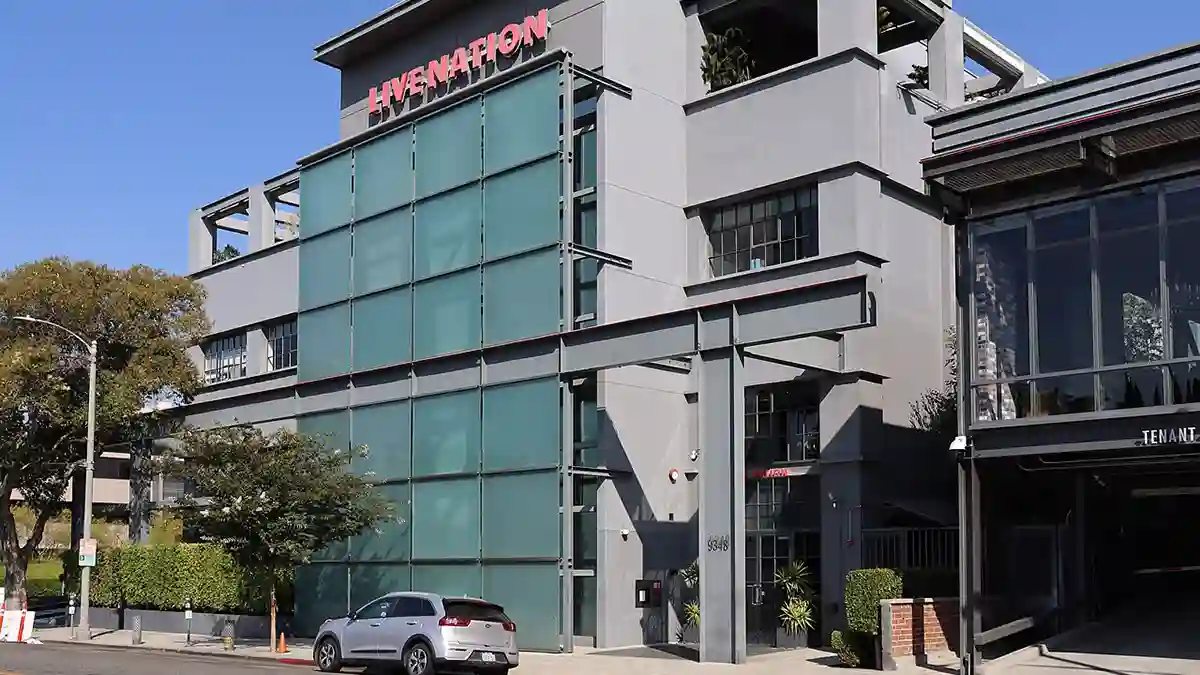
The antitrust trial against Live Nation and Ticketmaster appears headed for a Monday restart under state control after a turbulent week came to a close with a Friday afternoon hearing. Some states have formally joined the Department of Justice in settling with the entertainment giant, but the majority remain in the fight – pushing to continue the antitrust action without DOJ. remaining states abandon their mistrial push, and Judge Arun Subramanian deny Live Nation’s bid to keep disputed exhibits away from jurors.
In a Friday filing, the remaining plaintiff states formally withdrew their motion for mistrial and stay, a notable reversal from their position earlier in the week after DOJ’s abrupt mid-trial settlement announcement left them arguing the case had been materially disrupted. The move answers one of the biggest open questions hanging over the case since Tuesday’s hearing: rather than seek to restart the trial from scratch, the holdout states are now preparing to move forward without the federal government.
“The case against Live Nation is strong, and Colorado is committed to holding the company accountable for its illegal behavior, protecting consumers, and restoring competition to this market,” reads a statement posted to X by Colorado Attorney General Phil Weiser Friday afternoon. “The settlement… does not adequately remedy the harms to the marketplace for live music and to concertgoers caused by Live Nation.”
“I am particularly concerned about reports suggesting that the settlement, like other recent Justice Department settlements, was reached through improper lobbying and pay-for-play politics that should have no role in antitrust enforcement.”
Real-time courtroom updates from Inner City Press on Friday afternoon indicated the case was adjourned to Monday as the parties continued sorting witness order, settlements and trial logistics. Reporter Matthew Russell Lee, whose efforts to unseal exhibits helped bring several of the week’s most explosive documents into public view, has been among the few reporters covering the case from inside the courtroom.
At the same time, the state coalition has continued to shrink. Arkansas, Nebraska and South Dakota each filed notices of settlement making clear they were accepting term sheets identical to the one DOJ reached with Live Nation.
That framework, detailed in court filings earlier this week, would require Ticketmaster to build tools allowing venues using its back-end system to distribute primary tickets through third-party marketplaces within nine months, offer TM Back-end as a standalone product, allow more flexible nonexclusive arrangements, permit promoters to distribute up to 50% of primary tickets for events at Live Nation-controlled amphitheaters through any primary ticketing marketplace, and cap service fees at 15% in those venues.
It also requires Live Nation to terminate its Oak View Group ticketing services agreement within 30 days, disclose related payments including a $20 million payment made in July 2022, and allow affected Oak View-managed venues to conduct new RFPs without penalty.
Many have criticized the deal, pointing to expectations that its terms will have little meaningful impact on the entertainment behemoth as well as perceived political mettling by Trump insiders plied by Live Nation’s massive lobbying apparatus.
FURTHER COVERAGE: USA vs. Live Nation Entertainment Trial
- Internal Chats Illustrate Holdback, Platinum Pricing Squeeze
- Unsealed Exhibits Show Ticketing Executives Mocking Fans, Boasting of Upsell Charges
- Judge presses states to negotiate after DOJ’s shock settlement— holdout AGs push for mistrial
- Judge Says DOJ, Live Nation Showed “Absolute Disrespect” for Court in Settlement Chaos
- DOJ-Live Nation Term Sheet Details Settlement Framework
- Live Nation, DOJ Reach Settlement Avoiding Ticketmaster Breakup
- Consumers, Policy Groups, and Lawmakers Slam Proposed Settlement
- States Plan to Continue Pursuing Live Nation Antitrust Case Without DOJ
- Live Nation Says DOJ Settlement Will “Improve the Concert Experience,” Denies Antitrust Allegations
- ’I Will Not Be Gaslit’: Consumers React to DOJ-Live Nation Settlement
For the states that did not settle, Friday brought an important courtroom win. In an order entered after the latest procedural scramble, Subramanian directed plaintiffs to disclose their witness order and said the defendants’ pending motions in limine aimed at excluding disputed trial exhibits were denied, with reasons to follow. The ruling matters because the states had told the court the exhibit fight would materially affect their witness decisions and their strategy for resuming the case next week.
Their March 12 letter to the judge underscored just how central that evidence had become. The states said they had offered to drop the rest of the exhibit dispute if Live Nation would stop opposing two key exhibits, identified as PX719 and PX720, but Live Nation refused. Hours later, the judge denied Live Nation’s effort to exclude the broader set.
That ruling keeps alive the same evidentiary fight that has already produced some of the week’s most damaging revelations for the company. Unsealed exhibits include internal communications in which a current top Live Nation ticketing executive mocked fans, discussed gouging on parking and upsells, and boasted that the company was “robbing them blind, baby.”
Friday’s posture is especially striking given where the case stood just days earlier. In their mistrial papers, the remaining states argued DOJ’s sudden exit had “materially and irreparably prejudiced” them before the jury and scrambled the structure of the case by disrupting access to witnesses, experts, trial exhibits, demonstratives and trial support staff. Their filing said DOJ had led voir dire, delivered most of the opening, and handled the first witnesses before stepping away.
Live Nation, for its part, took a more pragmatic line. In its response, the company said it did not see the situation as satisfying the “normal criteria for a mistrial,” but told the court it would accept a pause if that led to a mandatory settlement conference or mediation aimed at resolving the remaining state claims. Live Nation also said settlement talks with DOJ had been active for months and claimed it had wanted the court informed earlier than it ultimately was.
Subramanian has shown little appetite for letting the evidence fight disappear from public view. Earlier in the week, he rejected Live Nation’s effort to withdraw its motion to exclude the challenged exhibits without prejudice and refused the company’s request to remove related filings from the docket, writing that motions like those should be publicly filed rather than emailed privately to chambers.
Newly filed public exhibits also continue to reinforce the broader venue-pressure themes that have run through the trial. One exhibit shows SeatGeek offering a venue what it literally called “LN retaliation insurance” to protect against rerouted Live Nation shows if the venue switched ticketing providers. Another shows Ticketmaster warning BSE Global that any early move away from its contract could amount to breach and “anticipatory breach.” A separate certified transcript captures a tense 2021 call involving Live Nation CEO Michael Rapino as BSE considered a SeatGeek deal.
The immediate result of Friday’s filings is that the case no longer appears to be spiraling toward mistrial. Instead, it is narrowing. Three more states have now publicly aligned with DOJ’s deal, the remaining states have dropped their request to restart the trial, and the judge has cleared the way for contested exhibits to remain in play.
Read next
More headlines
Jun 12, 2026
FIFA Faces Fresh Attendance Questions After Empty-Seat Images Circulate
FIFA’s expanded World Cup has barely kicked off, but images circulating on social media are already raising questions about fan…
Jun 12, 2026
Jinkx Monsoon Returns to ‘Oh, Mary!’ for West End Engagement
Jinkx Monsoon is set to return to the role of Mary Todd Lincoln in the West End production of “Oh,…
Jun 12, 2026
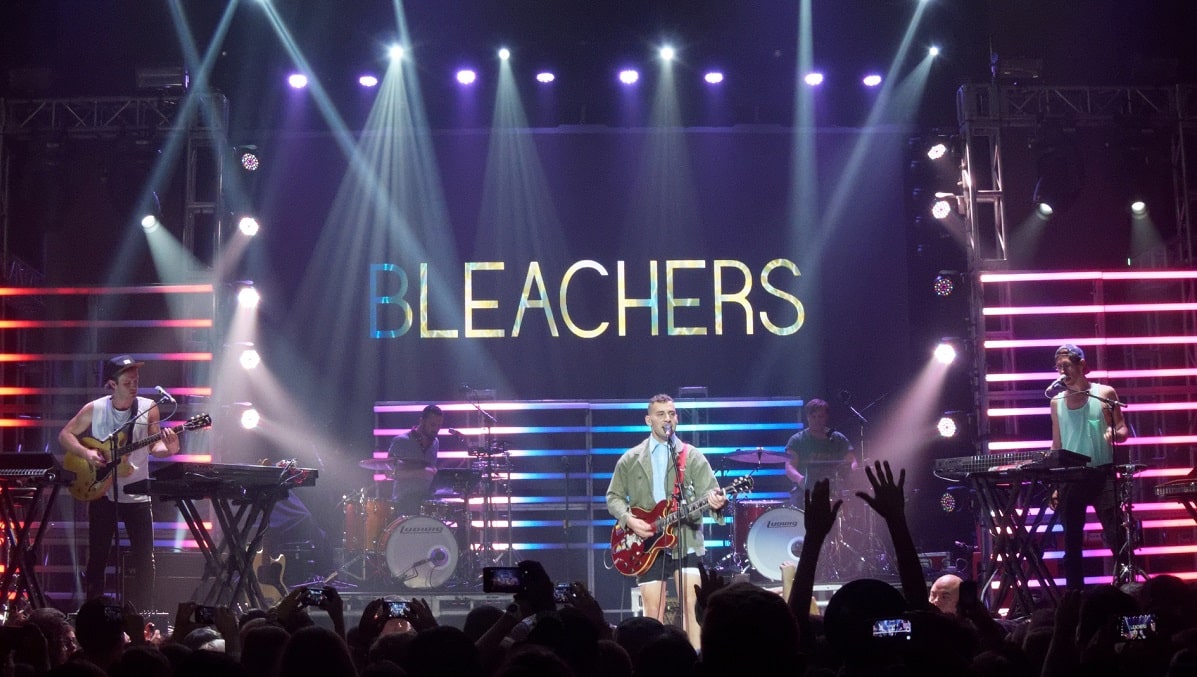
Bleachers to Offer $30 Discounted Tickets to Madison Square Garden Show
The alt-rockers of Bleachers announced a limited number of discounted tickets to their upcoming gig at New York City’s Madison…