
HPE ‘Bombshell’ Filing Gives New Context to Corruption Concerns Around Live Nation’s DOJ Settlement
An opposition brief filed Friday by state attorneys general in the Hewlett Packard Enterprise-Juniper Networks merger case – spotlighted by…
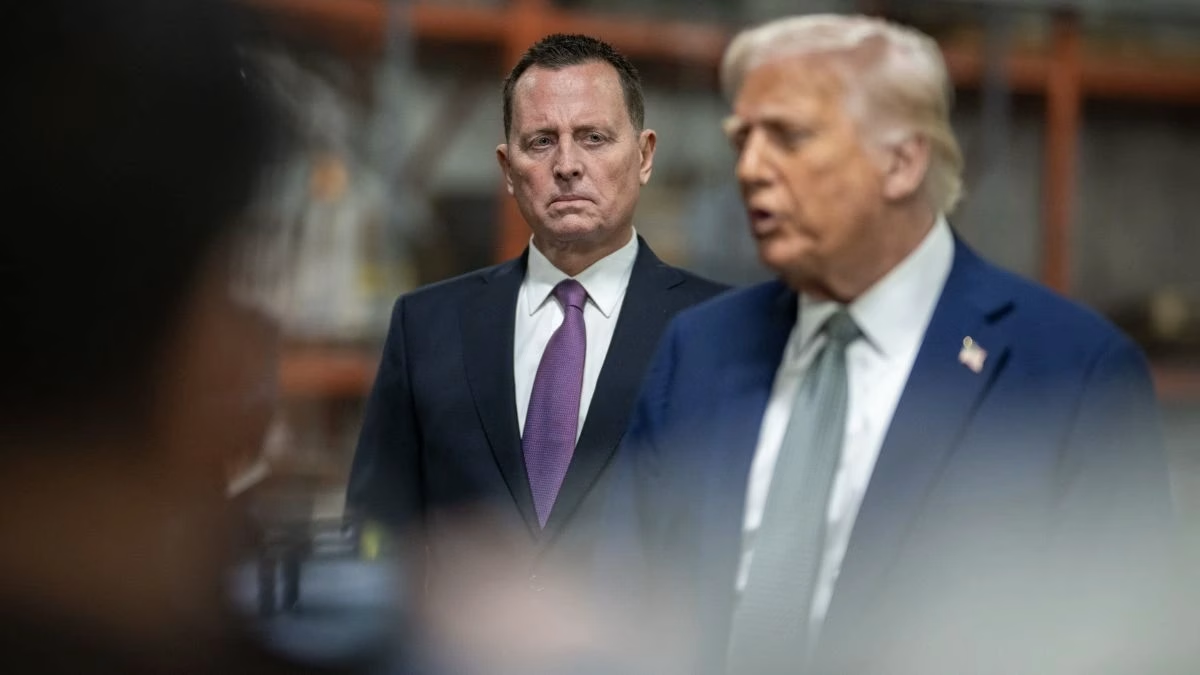
An opposition brief filed Friday by state attorneys general in the Hewlett Packard Enterprise-Juniper Networks merger case – spotlighted by Matt Stoller’s BIG newsletter – is giving fresh weight to a concern percolating for months in the Live Nation-Ticketmaster antitrust case: that politically connected insiders are helping powerful companies route around the Justice Department’s antitrust staff and secure softer outcomes behind closed doors.
The HPE matter is not a ticketing case. But for anyone watching the DOJ’s surprise mid-trial settlement with Live Nation — and the growing belief among critics that the process was shaped by lobbying and insider access rather than the merits of the monopoly claims — the parallels are hard to ignore.
That is especially true because TicketNews had been documenting those fears around Live Nation well before the settlement was announced.
Live Nation’s Path to Settlement Through Lobbyists
In February, as rumors swirled that DOJ might cut a deal allowing Live Nation to avoid a full courtroom reckoning over Ticketmaster’s alleged monopoly power, there were concerns that turmoil inside the Antitrust Division and the ouster of Assistant Attorney General Gail Slater were increasing the odds of political interference. Consumer advocates and independent venue leaders warned at the time that the company appeared to be pursuing influence through Trump-world channels rather than litigating the case on the law and facts.
Those concerns only grew in the months leading up to the settlement. Live Nation had retained a network of Trump-aligned figures including Mike Davis, Kellyanne Conway, and Brian Ballard; donated heavily to President Trump’s inaugural fund; added Trump ally Richard Grenell to its board; and rolled out a highly publicized venue investment campaign that lavished credit on Trump administration policies even though many of the projects had reportedly been in the works long before.
At the time, critics described that campaign as a charm offensive aimed at shaping the political environment around one of the most consequential antitrust cases in the live entertainment business.
In an adjacent case, Tim Leiweke – co-founder along side former Live Nation/Ticketmaster chief and mega-manager Irving Azoff of Oak View Group – received a pardon from President Trump in a bid-rigging indictment related to OVG’s contract for UT’s Moody Center. Shortly after that, Leiweke indicated he would not provide testimony for the prosecution in the Live Nation case, notable given how OVG has been characterized as collaborating and colluding with the entertainment giant rather than competing against it in the DOJ’s complaint.
Related Coverage: Golf, Immunity and a Pardon: How Tim Leiweke Slipped DOJ’s Grip — and What It Means for Live Nation
How HPE and Live Nation Cases Collide
Now, the filing in the HPE-Juniper case offers something critics of the Live Nation deal have lacked so far: a separate antitrust matter in which similar allegations have been pushed into a more formal court record.
According to the filing by state attorneys general, the process that led to the DOJ’s settlement with HPE over its acquisition of Juniper was marked by extraordinary backchannel lobbying, efforts to bypass or pressure career antitrust officials, incomplete disclosures to the court, and internal turmoil inside the department. The filing paints a picture of politically connected intermediaries operating outside normal enforcement channels to achieve a result corporate executives wanted.
That does not prove the Live Nation settlement was reached the same way. The cases are different, the facts are different, and any direct comparison must be made carefully.
But the HPE record matters because it gives documentary shape to the same broad theory already swirling around Live Nation: that in Trump-era antitrust enforcement, politically connected companies may see a path to relief not through persuading the Antitrust Division on the merits, but through finding ways around it.
That possibility is one reason the Live Nation settlement landed so explosively when it was announced in the middle of trial.
The federal government had spent nearly two years arguing that Live Nation’s control over promotion, amphitheaters, and primary ticketing gave it unlawful monopoly power that harmed fans, artists, venues, and rivals. Then, in a dramatic reversal, DOJ struck a deal that left the company intact, imposed a set of conduct remedies, and avoided the structural breakup many critics believed the case was ultimately driving toward.
The move stunned not only observers but the court itself. Judge Arun Subramanian openly criticized the manner in which the settlement was rolled out, and most of the states involved in the case refused to go along with DOJ’s exit. Instead, they pressed ahead on their own, with the trial resuming under state control and the core monopoly theories — especially around amphitheaters, exclusivity, and Live Nation’s combined leverage across the live-events ecosystem — still very much alive.
That backdrop is what makes the HPE filing newly relevant to the ticketing world.
For months, Live Nation critics had argued that the company’s political maneuvering was not random image management but part of a broader attempt to create pressure on the enforcement process itself. The settlement did not settle those doubts; it intensified them. And now the HPE fight is offering a parallel example in which state enforcers are explicitly alleging that the normal antitrust process was distorted by lobbying, access, and pressure from outside the division handling the case.
In that light, one of the more important developments in the Live Nation case may not have come from witness testimony at all, but from the judge’s reminder that settlement-related communications must be preserved and disclosed as part of the consent-judgment review process.
That order now looks even more significant. If the HPE battle is a warning about what can happen when key negotiations and contacts are obscured, then the paper trail behind the Live Nation settlement may become a story in its own right.
That does not mean the same “bombshell” evidence will emerge here. But it does mean the questions surrounding the Live Nation settlement are no longer easy to dismiss as sour grapes from opponents who disliked the outcome. The central question in the Live Nation case is no longer just whether the remedies are strong enough. It is whether the public can trust how those remedies were reached.
And that question is beginning to spread beyond the courtroom. Lawmakers are already signaling interest in tightening the rules that govern judicial review of antitrust settlements, a sign that the backlash to the Live Nation deal may end up driving a broader fight over transparency, disclosure, and the ability of states to challenge Washington when federal enforcers abruptly change course.
For now, the immediate takeaway is simpler: the HPE-Juniper filing does not prove what happened in the Live Nation matter, but it makes the fears surrounding DOJ’s Ticketmaster settlement look far less theoretical. What once sounded to some like speculation about backchannel influence now has a parallel case, a court record, and a much harder edge.
HPE Filing:
Read next
More headlines

Jun 16, 2026
Daughtry Goes Unplugged for 20th Anniversary Acoustic U.S. Tour
Chris Daughtry is celebrating his 20-year anniversary since his breakthrough debut record with an acoustic tour. The U.S. run, dubbed…

Jun 16, 2026
Andrea Bocelli Brings Romanza Anniversary Tour to Yas Island During Abu Dhabi Grand Prix Week
Andrea Bocelli is bringing a dose of classical grandeur to Formula 1’s biggest week in Abu Dhabi. The world-renowned Italian…

Jun 16, 2026
Stagecoach Announces Dates for 2027 Festival
Stagecoach has announced the dates for its 2027 festival, with the country music event set to return to Indio, California,…