
Judge Pushes Live Nation Antitrust Case Toward Remedies Fight as States Seek New Discovery
A federal judge overseeing the antitrust case against Live Nation and Ticketmaster signaled Thursday that the lawsuit is entering a…

A federal judge overseeing the antitrust case against Live Nation and Ticketmaster signaled Thursday that the lawsuit is entering a new phase, with federal regulators moving toward settlement approval while non-settling states prepare for a separate fight over remedies.
During a May 7 conference in the Southern District of New York, Judge Arun Subramanian indicated the Department of Justice should proceed with the Tunney Act process, with a hearing likely in September or October, according to live courtroom coverage from Inner City Press. At the same time, he directed the plaintiff states to file within two weeks outlining the discovery they are seeking for the remedies phase and set a follow-up conference for July 30.
The hearing followed an April 24 joint letter in which the parties staked out sharply different positions on how the case should proceed after the verdict. The United States said it plans to file a proposed final judgment and related settlement materials by late May, with a motion for entry of judgment expected in early or mid-September after the required 60-day public comment period under the Tunney Act.
The non-settling states argued that remedies discovery should run in parallel with that process, saying a coordinated schedule would avoid duplication and allow the court to consider federal and state relief together. Live Nation and Ticketmaster urged the opposite approach, asking the court to delay any remedies proceedings until post-trial motions are resolved and the DOJ settlement is approved. They argued that the final federal judgment should establish the baseline for any additional state relief.
According to Inner City Press’ live coverage, attorneys for the states told the court they are seeking updated discovery for remedies, including data and testimony related to API issues, and emphasized they are not bound by the settlement reached between the DOJ, certain states, and Live Nation. Subramanian appeared skeptical of delaying that process, reportedly questioning why the remedies phase should not begin now if it could take roughly 300 days.
Live Nation attorney Andrew Gass told the court the company expects the DOJ settlement will be approved. The judge also raised questions about the independent monitor contemplated under the settlement, including whether it would need to be the same individual as before. Gass acknowledged the court could require a different monitor, according to the live report.
The court also touched on the prospect of renewed settlement talks between Live Nation and the remaining states. A New York attorney said there are no current discussions but indicated the states would consider a good-faith offer that reflects the jury’s verdict. Counsel for Live Nation suggested further talks may be more productive after pending motions are resolved.
With liability already determined, the case is now shifting to what form of relief will follow. The DOJ’s original lawsuit, filed alongside a coalition of state attorneys general, sought structural remedies and alleged Live Nation-Ticketmaster used monopoly power and exclusionary conduct across the live entertainment industry, including concert promotion and primary ticketing. The non-settling states have maintained that their ability to seek additional remedies is not constrained by the federal settlement.
In a separate May 6 order, Subramanian addressed a series of sealing disputes and an objection from Inner City Press. The court granted SeatGeek’s request to seal win-loss data, finding it commercially sensitive and noting it had not been introduced into evidence. But the judge denied, without prejudice, a Live Nation motion to seal materials tied to exhibit and deposition designation disputes, agreeing those materials qualify as judicial documents because the court relied on them in evidentiary rulings. Live Nation may renew its request with more specific arguments, though the court urged a more targeted approach.
The next milestones include the states’ filing on remedies discovery, Live Nation’s pending post-trial motions, the DOJ’s expected Tunney Act filings, and the July 30 status conference.
Read next
More headlines

Jun 3, 2026
Denver Summit FC tickets on sale in Commerce City vs. Current
Denver Summit FC will host the Kansas City Current at Dick's Sporting Goods Park in Commerce City, Colorado, on July…
Jun 3, 2026
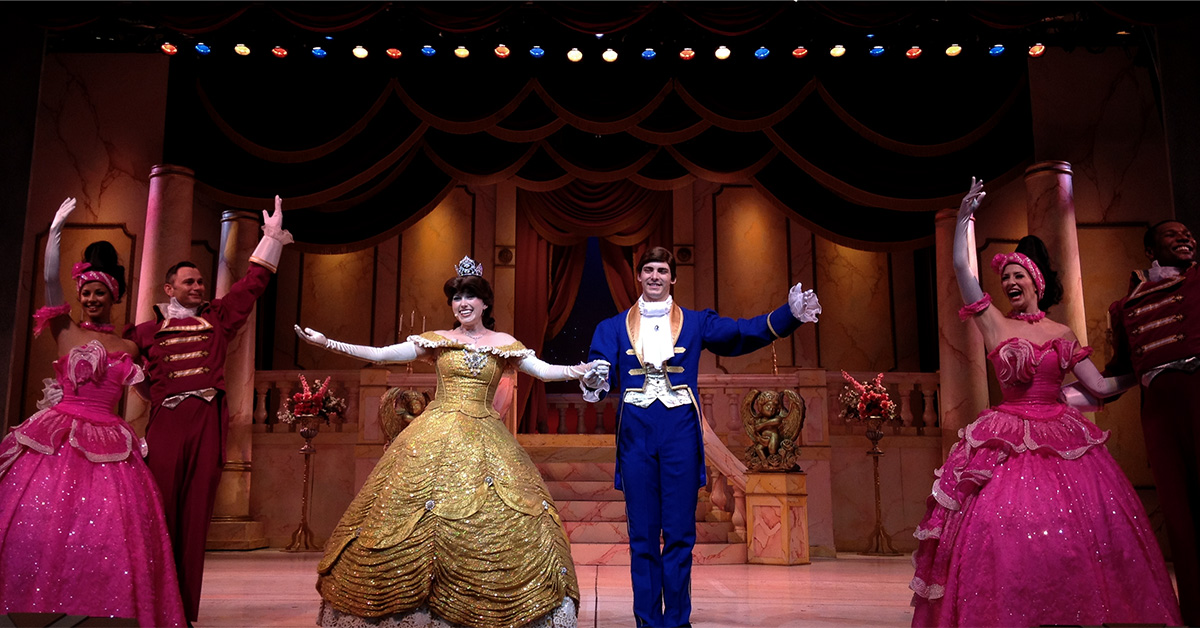
Beauty and the Beast tickets on sale in Denver at Temple Hoyne
Beauty and the Beast is coming to the Temple Hoyne Buell Theatre in Denver, Colorado, for two performances on Oct….

Jun 3, 2026
Bryson Tiller tickets on sale in New York at Madison Square Garden
Bryson Tiller is headed to Madison Square Garden in New York City on Sept. 13, 2026. The Louisville native has…